
Why Every Business Needs a Professional Email Address
First impressions are everything. Learn why switching from a free email to a professional address is the simplest way to boost your brand’s credibility.
We Do The Web Digital Marketing Agency knows that a website must do more than look pretty – it has to work as hard as you do. A well‑structured website is the digital equivalent of a solid foundation: it improves user experience, lifts SEO and turns casual visitors into loyal customers.
A well‑structured website is organised with clear navigation, responsive design, optimised content and effective calls‑to‑action. This architecture improves crawlability, site speed and mobile usability, which in turn enhances user experience, raises search‑engine rankings and drives higher conversions.
A well‑structured website is a site whose content, navigation and design are logically organised so that visitors (and search‑engine bots) can find exactly what they need with minimal effort. It isn’t just about aesthetics; it’s about the invisible scaffolding that holds the whole experience together.
The digital landscape in 2026 is dominated by AI‑driven answer engines and mobile‑first indexing. Search engines now evaluate not only the keywords on a page but also how cleanly the site’s hierarchy is presented. A disorganised site confuses crawlers, slows page loads and drives users away – all of which hurt rankings and revenue.
A clear layout removes friction. When users locate information quickly, they explore more pages, engage with your brand and are far more likely to convert.
Strategically placed CTAs, concise product descriptions and a seamless checkout journey turn browsers into paying customers.
Professional, well‑organised sites convey reliability. A chaotic site can make visitors doubt the competence of your business.
Search engines reward sites with tidy architecture, awarding higher rankings, richer snippets and better visibility in voice‑search results.
Search engines crawl a site like a librarian scanning a bookshelf. A clear hierarchy (Home → Category → Sub‑category → Article) tells the bot where each book belongs. When you use internal linking, descriptive anchor text and schema, you hand the librarian a tidy catalogue, increasing the chance your pages appear in “People also ask” boxes and voice‑assistant answers.
E‑commerce case: An online retailer migrated from a flat, menu‑less site to a tiered architecture (Home → Shop → Category → Product). After implementing breadcrumb navigation, compressing assets and adding product schema, organic traffic rose 34 % and conversion rate climbed 18 % in the first quarter.
By 2028 AI assistants will act as the primary gateway to information, pulling data from multiple sites to answer a single query. A well‑structured website will be the one AI cites because its content is easily extractable via structured data and clean hierarchies. Preparing now with semantic clustering, headless CMS options and robust schema ensures your site remains the authoritative source in an AI‑first world.
Internal links
External links
A well‑structured website is organised with clear navigation, responsive design, optimised content and effective calls‑to‑action, making it easy for both users and search engines to find information.
It enhances crawlability, reduces bounce rates, speeds up page load times and meets mobile‑first requirements, all of which are key ranking factors for Google.
Responsive design ensures the site looks and works well on any device, improving user experience and satisfying Google’s mobile‑first indexing.
Yes – confusing navigation and slow load times lead to high bounce rates, lower rankings and lost conversions.
At least once a quarter, or after major content or product updates, to ensure navigation remains intuitive and SEO‑friendly.
We audit your existing site, redesign navigation, implement responsive layouts, optimise content and set up ongoing performance monitoring.
Contact us today and let We Do The Web Digital Marketing Agency build a well‑structured website that attracts, engages and converts your target audience.
April 20, 2026
We Do The Web
First impressions are everything. Learn why switching from a free email to a professional address is the simplest way to boost your brand’s credibility.
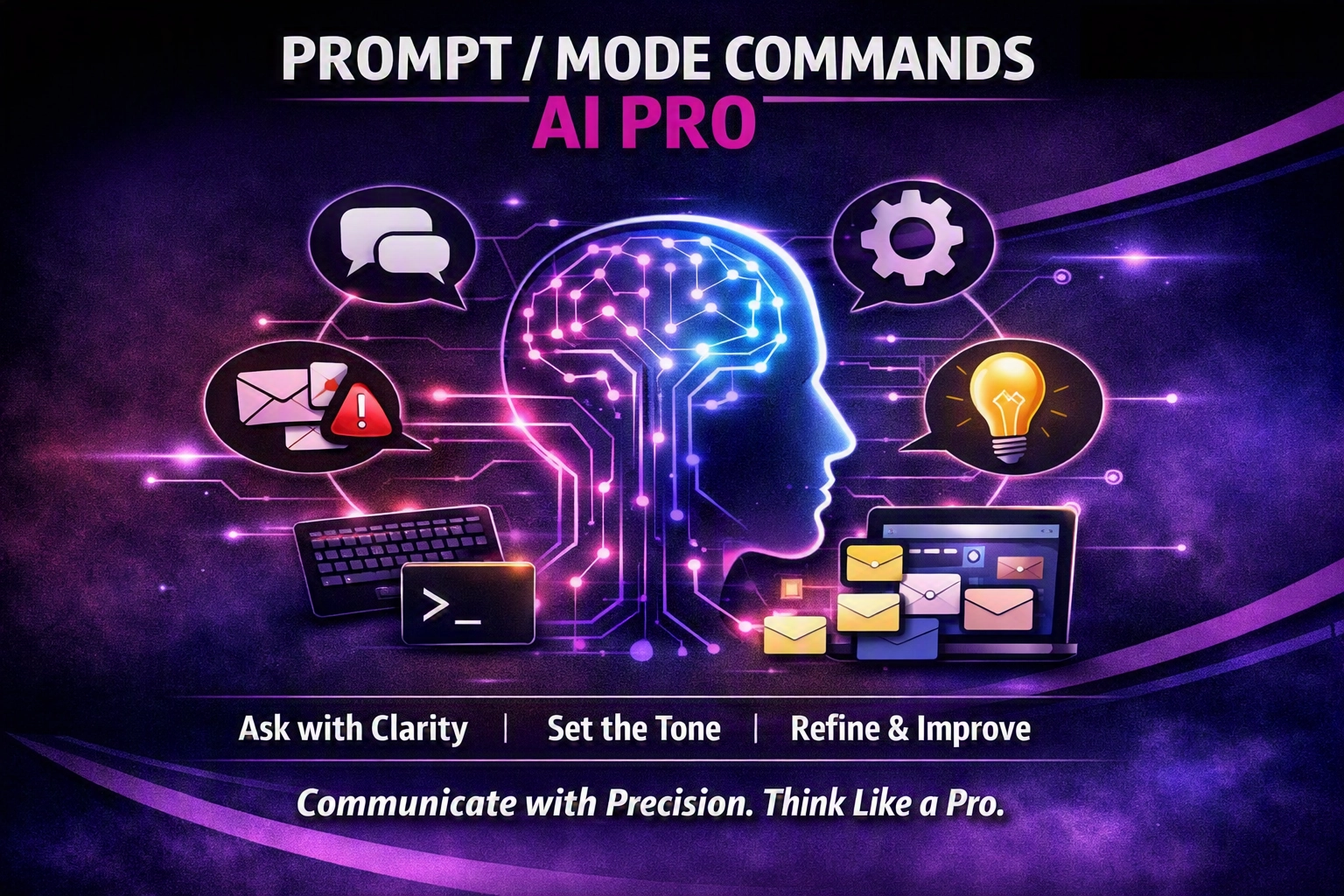
Prompt/Mode Commands are a shortcut language that tells AI which mode to use – blunt truth, simple language, red‑team analysis, Hormozi‑style offers, human‑tone, future‑focus, unlearning, 80/20 or Socratic questioning.
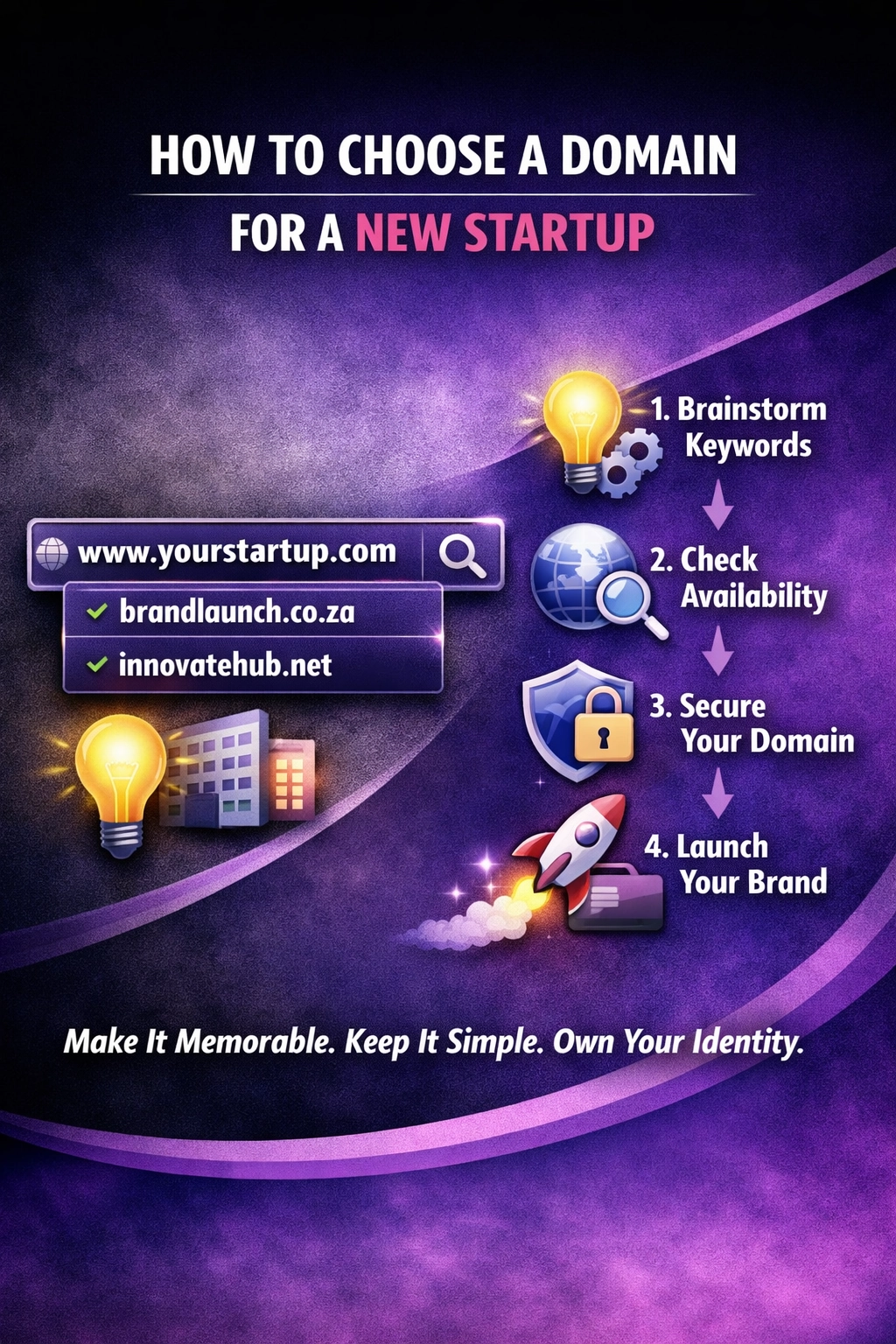
Choosing the right domain name is crucial for any new startup learn how to make the best choice for your business’s online presence.
We don’t guess we measure, analyse, and refine to get you consistent, long-term results.
array(1) {
  ["wdtw_121_code"]=>
  string(9) "x4SJ91njC"
}