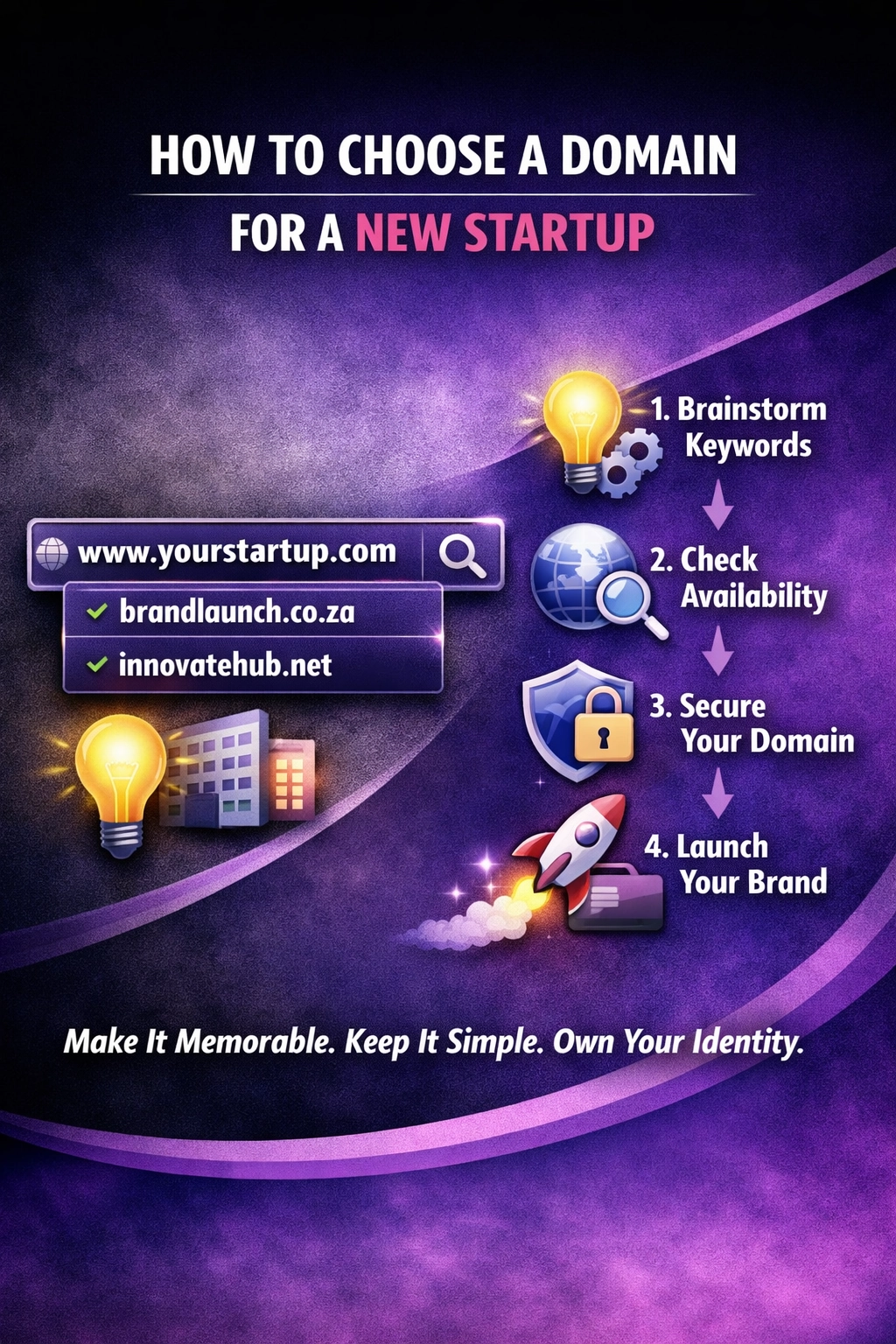
How to Choose a Domain for a New Startup
Choosing the right domain name is crucial for any new startup learn how to make the best choice for your business’s online presence.
Search behaviour is undergoing one of the biggest transformations since the creation of search engines. The rise of zero-click search means users often receive answers directly on the search results page without ever visiting a website.
At We Do The Web Digital Marketing Agency, we’re seeing this trend reshape how businesses approach SEO and online visibility. Instead of acting purely as a gateway to websites, search engines are increasingly becoming the final destination for information.
This shift is driven largely by AI-powered features, instant answers, and user demand for faster results. As a result, businesses must rethink how they structure their content and websites to remain visible in the new search landscape.
A zero-click search occurs when a user finds the answer they need directly on the search results page (SERP) without clicking through to a website.
Search engines provide these answers using features such as:
For example, if someone searches “What is the capital of France?”, the search engine immediately shows Paris at the top of the page. The user receives the answer instantly and never visits the source website.
For businesses and publishers, this means that even if their content provides the information, they may receive no traffic from the search.
Several major trends are accelerating the growth of zero-click search.
Search engines are increasingly using artificial intelligence to summarise information directly in the search results.
Platforms like Google AI Overviews, Microsoft Copilot, and tools such as ChatGPT combine information from multiple websites to provide a single answer.
This dramatically reduces the need for users to open several pages to gather information.
Search engines generate revenue primarily through advertising and user engagement.
When users leave the search page to visit a website, the search engine loses potential interaction time. By delivering answers directly within the results page, platforms can:
This economic incentive strongly encourages the expansion of zero-click features.
Mobile users expect quick answers rather than long reading sessions.
Zero-click search provides:
As mobile usage continues to dominate global internet activity, this behaviour reinforces the growth of zero-click results.
Recent industry studies suggest that more than half of all searches now end without a click to a website.
This means:
Typical zero-click queries include:
For content-heavy websites, this can significantly reduce organic traffic.
Certain industries are impacted more than others.
Sites like Merriam‑Webster or Dictionary.com previously relied heavily on search traffic. Now, search engines display definitions directly on the results page.
Platforms such as The Weather Channel face reduced traffic because search engines display weather forecasts instantly.
Basic guides and simple tutorials are increasingly summarised by AI search features.
AI summaries often combine information from multiple sources, meaning users may read the summary instead of visiting individual articles.
Despite these changes, SEO remains essential. However, the strategy has evolved.
Users still click when searching for a specific brand.
For example, instead of searching for “best CRM software”, users may search directly for HubSpot CRM or another known product.
Strong brands still generate traffic even in a zero-click environment.
AI summaries struggle to fully explain complex subjects.
Content that still attracts clicks includes:
These types of resources provide value that short AI summaries cannot replicate.
Websites offering interactive functionality remain highly valuable.
Examples include:
Users must visit the website to actually use the tool.
Online communities remain strong sources of traffic because users want authentic human opinions.
Platforms such as Reddit continue to grow as people seek real discussions rather than summarised answers.
Search is evolving into a three-layer information system.
Quick facts solved directly on the search results page.
Aggregated answers generated by AI from multiple sources.
Websites providing detailed information, research, and expertise.
In this model, websites increasingly compete in Layer 3, where depth and authority matter most.
The traditional SEO model looked like this:
Create content → Rank → Get traffic
Today’s search ecosystem looks different:
Create authority → Build tools → Develop brand recognition → Become the source AI cites
This shift is why many SEO professionals are focusing on:
Websites that provide unique value are far more likely to remain relevant in an AI-driven search world.
• Answer Engine Optimization The Next Level of SEO for Modern Businesses
• High-Quality Content Boost Your Website’s Success and Business Growth
• – Search traffic predicted to drop 25% by 2026
• – AI Overviews reduce website clicks
Zero-click search occurs when a user receives the answer to their query directly on the search results page without clicking on any website. Search engines provide these answers through features such as AI summaries, featured snippets, knowledge panels, and instant answers.
Zero-click searches are increasing because search engines now prioritise delivering information instantly. AI-powered features such as summaries and knowledge panels allow users to get answers immediately without needing to visit external websites.
Zero-click search reduces the number of users clicking through to websites. This means businesses must focus not only on ranking in search results but also on becoming the source of information that search engines use for summaries and featured snippets.
Not necessarily. While basic informational content may receive fewer clicks, high-value content such as in-depth guides, tools, case studies, and original research still attracts users who want detailed information.
Businesses can adapt by focusing on:
These strategies help ensure that content remains visible even when search engines summarise information.
Zero-click search is not destroying the web — but it is fundamentally changing how information is delivered online.
Basic information is becoming a commodity that search engines can display instantly. Meanwhile, deep expertise, tools, original insights, and strong brands are becoming the real drivers of traffic.
At We Do The Web Digital Marketing Agency, we help businesses build websites designed for the future of search. By combining strong SEO foundations, high-quality content, and strategic website design, your business can remain visible even as search continues to evolve.
March 16, 2026
We Do The Web
Choosing the right domain name is crucial for any new startup learn how to make the best choice for your business’s online presence.

Using your business name in a domain can boost brand recall and SEO, but there are pitfalls. Learn the full picture and decide what’s right for you.

A domain name’s life isn’t linear – it moves through registration, active use, renewal, expiration, redemption, pending deletion and final removal. Master each phase to protect your brand.
At We Do The Web, we believe in balance. Our sites are built to please Google and your visitors. With intuitive design and solid SEO, your website won’t just rank—it’ll resonate.
array(1) {
  ["wdtw_121_code"]=>
  string(9) "9E6jwSiA3"
}