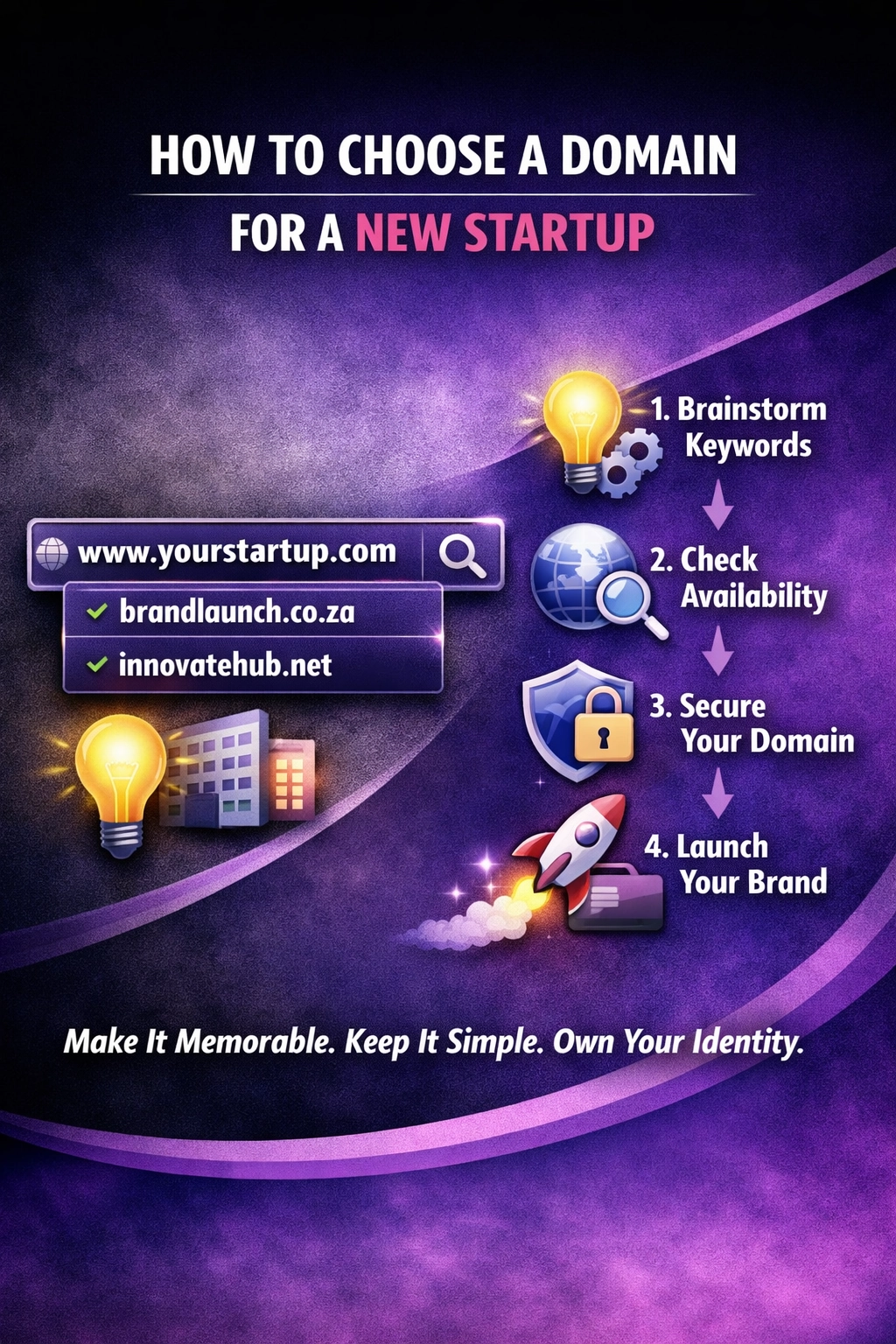
How to Choose a Domain for a New Startup
Choosing the right domain name is crucial for any new startup learn how to make the best choice for your business’s online presence.
Your website must do more than simply exist it must guide, engage, and convert. A well-crafted user journey is the foundation of a high-performing website. It shapes how visitors move from their first interaction to completing a desired action, whether that’s making a purchase, requesting a quote, or subscribing to your services.
At We Do The Web, we design websites that strategically guide users through a seamless experience. A memorable user journey is not accidental it is planned, structured, and optimised for both engagement and conversion.
In this article, we explore what a user journey is, why it matters, and how to design one that delivers measurable results.
The user journey refers to the path a visitor takes when interacting with your website. It begins the moment they land on a page and continues through every click, scroll, and interaction until they complete a goal.
A strong user journey ensures visitors feel:
Every page, headline, image, and call to action contributes to this experience. When the journey is intuitive, visitors move naturally through your site. When it is unclear, they leave.
A memorable user journey directly impacts:
Websites that prioritise user journey design outperform those that focus only on aesthetics.
Creating an effective user journey requires strategic alignment between structure, content, and design.
Navigation is the backbone of your user journey. If visitors cannot quickly locate what they need, frustration sets in.
Effective navigation should:
A structured navigation system reduces friction and improves flow.
You can explore the impact of structured navigation in
The Importance of Clear Website Navigation Enhancing User Experience and Conversions
Calls to action guide users from browsing to acting.
Your CTAs should be:
For example:
CTAs must align with where the visitor is in their journey. A first-time visitor may respond better to “Learn More,” while a returning user may be ready for “Request a Proposal.”
A user journey should remain seamless across all devices. Responsive design ensures your website adapts to:
Fast load times are equally critical. Even a few seconds of delay can significantly increase bounce rates.
Search engines favour mobile-friendly, performance-optimised websites meaning responsive design strengthens both UX and SEO.
Content should anticipate user needs.
Ask yourself:
Clear messaging, structured sections, and benefit-driven copy create confidence.
Visual elements can further enhance understanding and engagement. For example, strategic use of video can support complex explanations and improve retention.
See how multimedia supports engagement in
The Benefits of Using Video on Your Website
If your goal is to generate leads or sales, remove unnecessary friction.
Optimise forms and checkout processes by:
The fewer obstacles between interest and action, the higher your conversion rate.
When your user journey is intentionally designed, the benefits compound:
A frictionless journey builds loyalty. Visitors who enjoy their experience are more likely to return and recommend your business.
For companies focused on sustainable growth, user journey optimisation is not optional it is strategic.
At We Do The Web, we combine:
to create websites that are built around the user journey from day one.
Our process includes:
We don’t just build websites we design structured digital experiences that guide visitors towards measurable outcomes.
A memorable user journey transforms your website from a static online presence into a powerful conversion engine.
From clear navigation and compelling CTAs to responsive design and streamlined processes, every detail matters. When your user journey is seamless, intuitive, and strategically aligned, visitors move confidently toward action.
February 23, 2026
We Do The Web
Choosing the right domain name is crucial for any new startup learn how to make the best choice for your business’s online presence.

Using your business name in a domain can boost brand recall and SEO, but there are pitfalls. Learn the full picture and decide what’s right for you.

A domain name’s life isn’t linear – it moves through registration, active use, renewal, expiration, redemption, pending deletion and final removal. Master each phase to protect your brand.
We don’t guess we measure, analyse, and refine to get you consistent, long-term results.
array(1) {
  ["wdtw_121_code"]=>
  string(9) "b8XZ3peK1"
}