
Why Every Business Needs a Professional Email Address
First impressions are everything. Learn why switching from a free email to a professional address is the simplest way to boost your brand’s credibility.
Optimising your website for performance is more crucial than ever. At We Do The Web, we understand that data-driven decisions are key to enhancing user experience and driving better results. One of the most effective techniques for achieving this? A/B testing. By comparing two variations of a page or specific elements, you gain actionable insights into what works best for your audience boosting conversions, engagement, and overall performance.
If you want to make informed decisions and elevate your website, A/B testing is the perfect place to start.
A/B testing compares two different versions of a webpage or element such as a button, headline, or image to determine which performs better. Visitors are randomly shown Version A or Version B, and their interactions are tracked. Metrics like click-through rates, time on page, and conversion rates reveal which version is more effective.
This method removes guesswork and ensures your website provides the best possible experience for your users.
By testing different design elements, you can identify what appeals most to your audience and refine your site accordingly. A better user experience leads to longer sessions, lower bounce rates, and higher engagement.
Learn more about improving user experience in The Importance of Clear Website Navigation Enhancing User Experience and Conversions.
Even small changes, like updating a call-to-action button or rewording a headline, can dramatically increase conversions. A/B testing lets you pinpoint which elements drive sales, sign-ups, or other key actions.
Forget guesswork. A/B testing allows you to make decisions backed by data, whether it’s testing landing pages, email campaigns, or product descriptions. This ensures each update moves your business forward.
Instead of full-scale redesigns, A/B testing allows small, incremental improvements. You can measure impact before committing to larger changes, saving time and resources.
Decide what you want to achieve: more clicks, higher sales, better sign-ups. Clear objectives focus your test.
Start with a single element headlines, buttons, images, layout. One change at a time ensures accurate results.
Version A (original) and Version B (variation) should differ only in the element you’re testing.
Split traffic evenly between versions. Use tools like Google Optimize, Optimizely, or VWO to track key metrics.
Compare performance after sufficient traffic. Implement the winning variation, or iterate if results are inconclusive.
Roll out the best-performing version and continue testing over time to refine your site and maximise results.
Combine testing with automation for maximum efficiency: Introducing Workflow Automation Services: Let Your Website Work Harder for You.
To deepen your understanding of optimisation and engagement, check out these related posts:
For authoritative external guidance:
At We Do The Web, we help businesses use A/B testing and data-driven optimisation to improve conversions, engagement, and ROI. Whether you need guidance on testing strategy, design improvements, or analytics, we’re here to help.
February 2, 2026
We Do The Web
First impressions are everything. Learn why switching from a free email to a professional address is the simplest way to boost your brand’s credibility.
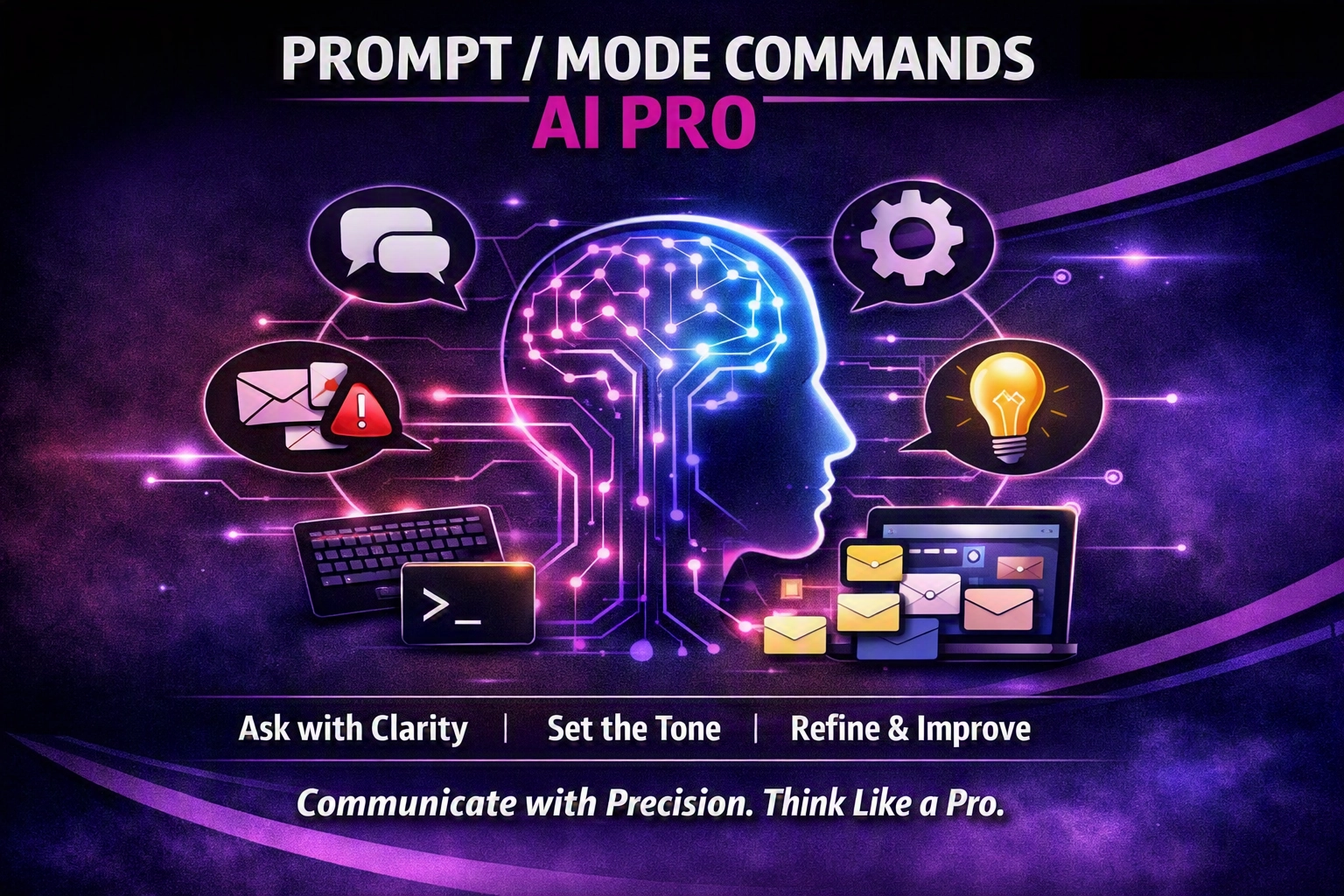
Prompt/Mode Commands are a shortcut language that tells AI which mode to use – blunt truth, simple language, red‑team analysis, Hormozi‑style offers, human‑tone, future‑focus, unlearning, 80/20 or Socratic questioning.
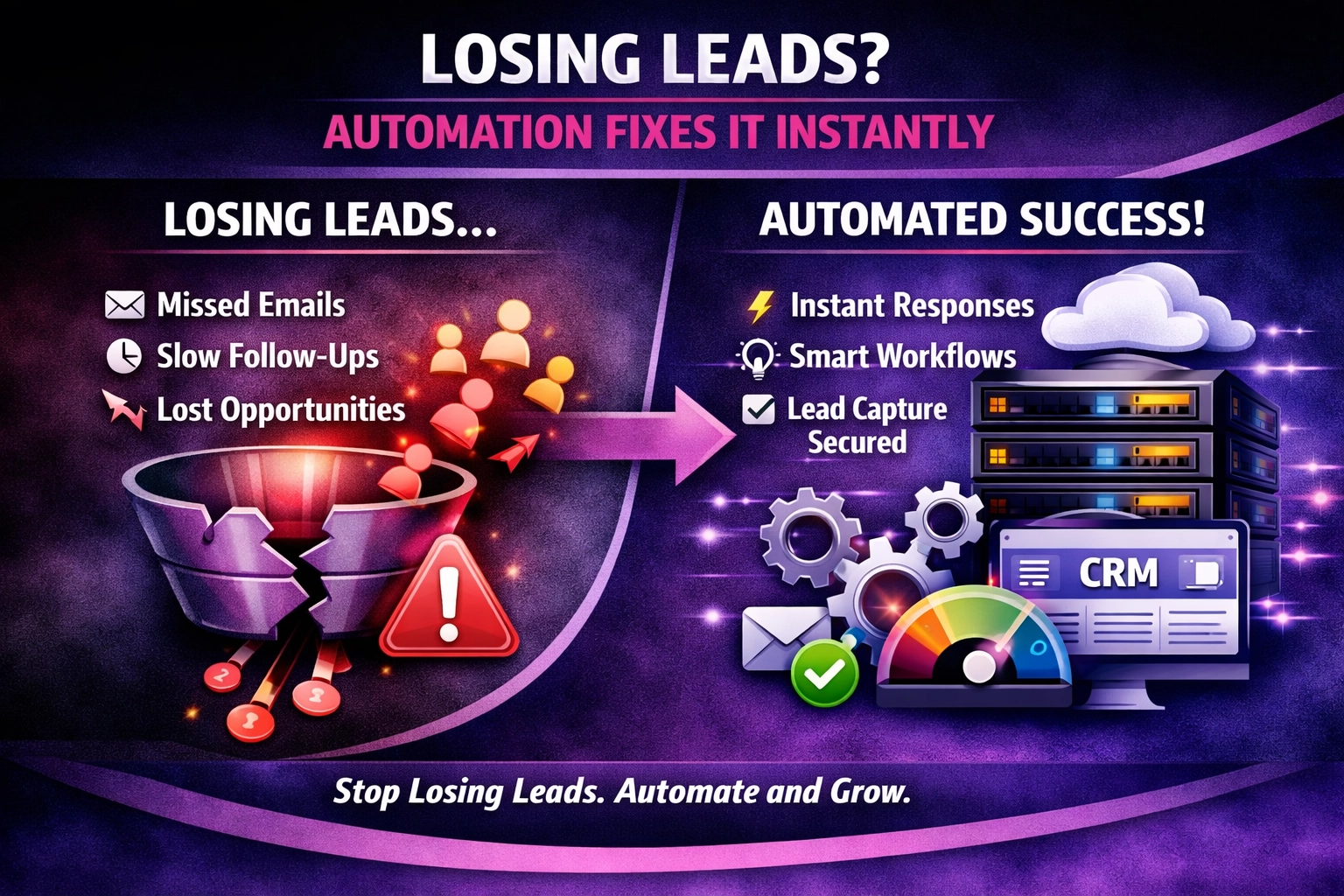
At We Do The Web Digital Marketing Agency we know a website must work harder than you do – but the most beautiful site means nothing if leads slip through the cracks. Losing Leads? Here’s How Automation Fixes It Instantly is the question we hear from SMEs that watch inquiries land in an email inbox […]
A slow website doesn’t just frustrate users—it hurts your bottom line. Studies show that even a 1-second delay can drop conversions by 7%. We specialize in lightning-fast websites that keep your visitors engaged and your competitors envious. Don’t let a sluggish site slow your growth.
array(1) {
  ["wdtw_121_code"]=>
  string(9) "9X4mFkR7u"
}